


Human Resource Management Systems (HRMS) have become critical for modern firms seeking to streamline HR processes, improve employee experience, and facilitate strategic decision-making. Businesses that use a strong HRMS may automate time-consuming operations, assure compliance, and provide actionable information to promote growth. Our HRMS systems are intended to address different organizational needs, with unrivaled efficiency and scalability.
1. Employee Information Management
Store and manage personnel information in a consolidated, secure system.
Comprehensive employee profiles include information about positions, departments, and performance.
Records are automatically updated to preserve correctness.
Advanced data encryption ensures compliance and privacy.
2. Attendance and Time Tracking
Use automated tools to simplify attendance management.
Biometric and geotagging integration improves accuracy.
Real-time attendance tracking across teams and locations.
Automated leave and overtime tracking.

3. Payroll Management
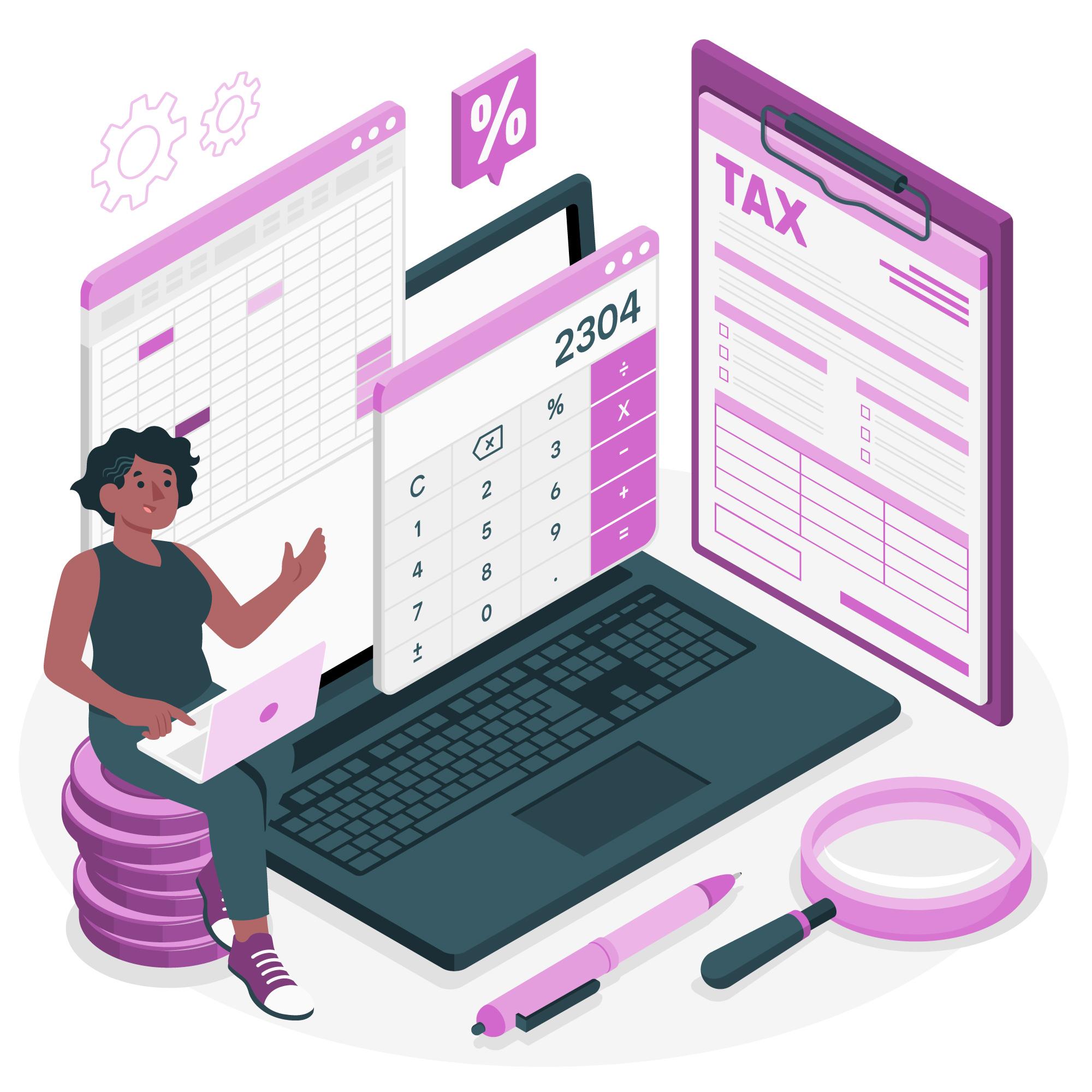
Streamline payroll processing with safe and customizable options.
Automated pay computation, including deductions and bonuses.
Complying with local tax requirements.
Integration with accounting software to ensure efficient financial management.
4. Recruitment and Onboarding
Improve hiring processes and new employee experiences.
Applicant tracking systems (ATS) help to expedite recruitment.
Automated onboarding workflows to decrease administrative overhead.
Integration with job portals expands reach.
5. Performance Management
Effectively monitor and assess employees' performance.
360-degree feedback systems.
Capabilities include goal planning and progress tracking.
Detailed statistics for performance assessments and evaluations.
6. Training & Development
Use integrated tools to promote continual learning.
E-learning modules and Learning Management Systems (LMS).
Analyzing skill gaps will help drive training programs.
Certification tracking to ensure compliance and skills validation.
7. Compliance Management
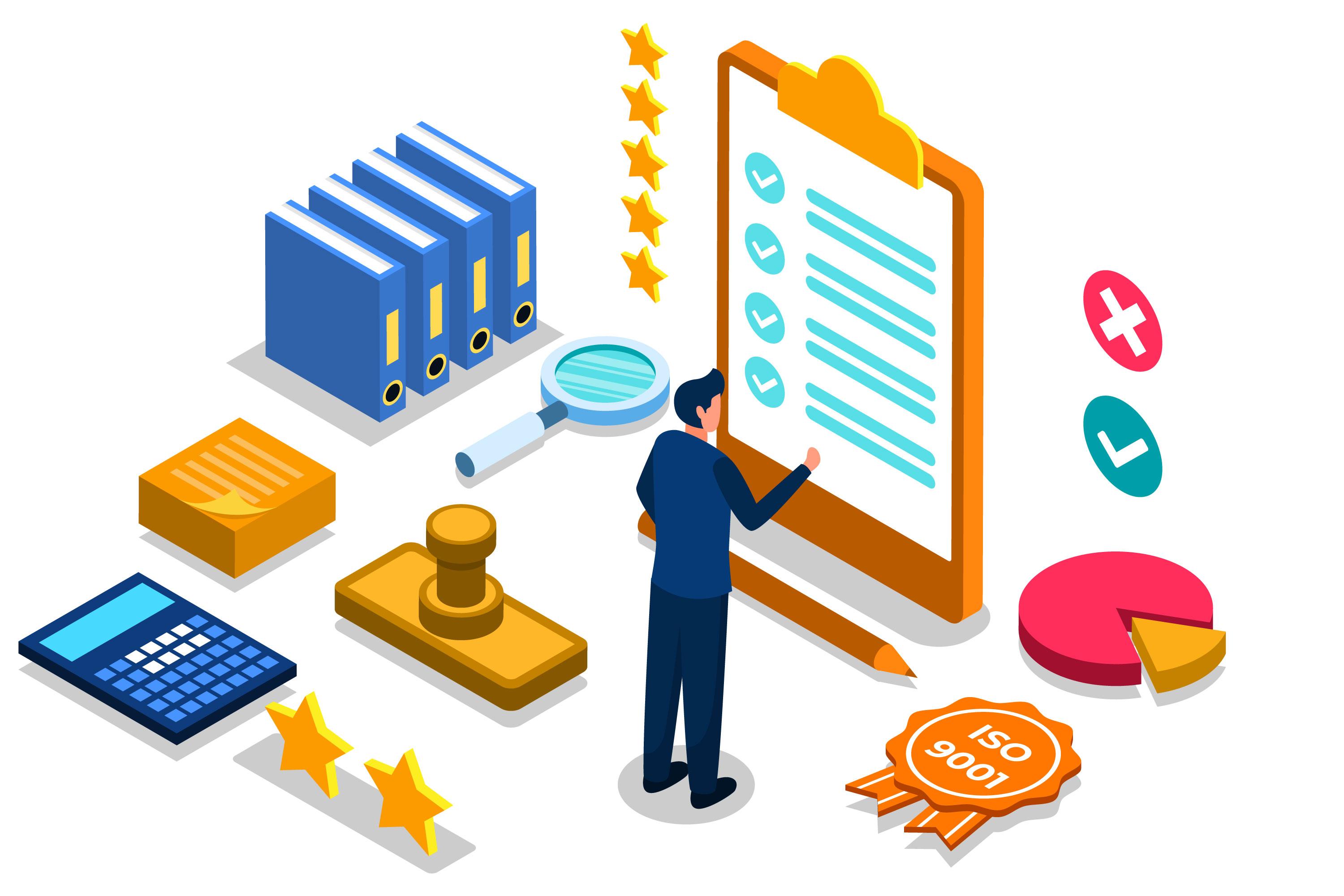
Ensure that your firm meets regulatory obligations.
Automatic updates to reflect changes in labor laws.
Record retention tools are used to meet audit requirements.
Sensitive data can be accessed securely and based on roles.
8. Self-service Portals
Provide employees with user-friendly self-service tools.
Manage your personal information, leave requests, and documents.
Payslips, tax forms, and performance reports are all available online.
Streamlined interfaces improve staff engagement.
1. Improved Efficiency
Eliminate manual processes to save time.
Automate repetitive operations so you can focus on strategic HR activities.
2. Improved Decision-Making
Use analytics and reporting to make educated decisions.
Keep track of HR KPIs including employee retention and productivity.
3. Increased Compliance
Keep current with labor laws and tax requirements.
Reduce hazards with secure and accurate record management.
4. Improve Employee Engagement
Provide employees with easy access to HR services.
Self-service portals help to improve communication and transparency.
5. Scalability
As your organization grows, adapt the system.
Customize features to meet evolving business requirements.
 Fully Dynamic CMS Settings
Payment Gateway Integration
100%
SEO Optimized
Blog
Site Development
Unlimited Landing Pages
Fully Dynamic CMS Settings
Payment Gateway Integration
100%
SEO Optimized
Blog
Site Development
Unlimited Landing Pages

1000+Customers Trust

DedicatedAccount Manager

AssuredQuality Work
 Call
Us for details
Call
Us for details
1000+ Subscriptions | 50+ Team