

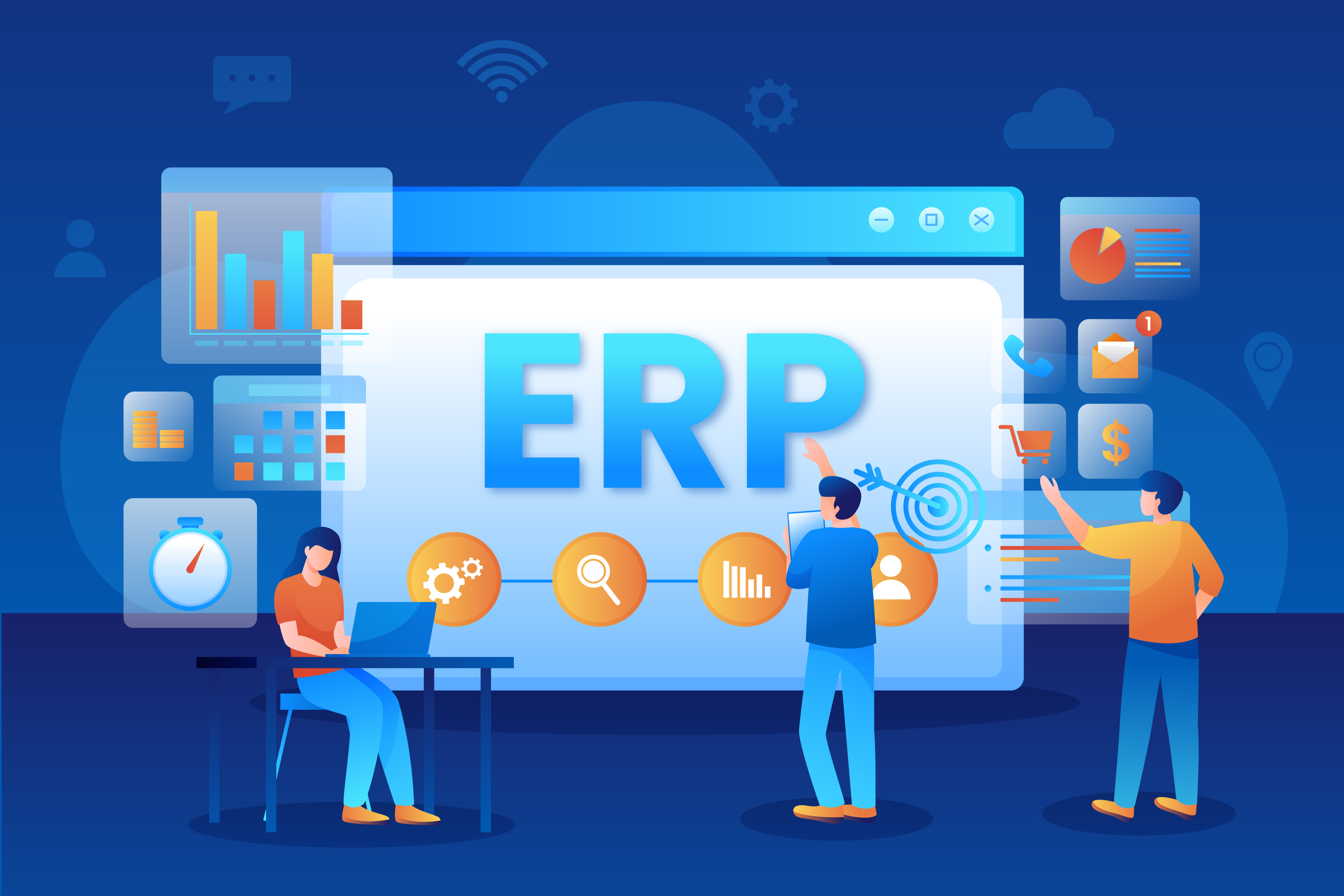
In today's highly competitive business environment, firms across industries are continuously looking for methods to increase efficiency, better decision-making, and maximize resources. ERP solutions play a critical role in attaining these objectives. ERP solutions enable businesses to optimize operations, minimize redundancies, and acquire actionable insights by combining several business processes into a single platform. In this comprehensive book, we will look at the world of ERP development, its benefits, and how it may transform your organization.
1. Enhanced Efficiency
ERP systems automate common tasks, reduce manual data entry, and remove repeated procedures. This increases efficiency and reduces errors, allowing staff to focus on important tasks that drive business success.
2. Improved data accuracy
ERP solutions lessen the possibility of data inaccuracies by combining information into a single database. This increases the reliability of reporting and analysis, allowing for data-driven decisions.
3. Streamlined operations
ERP systems link processes across departments, ensuring that everyone is working with the same information and following established protocols. This improves teamwork and alleviates operational bottlenecks.


4. Improve Decision-Making
Decision-makers benefit from real-time data and analytics, which provide significant insights into corporate performance. ERP systems include dashboards and reports that highlight trends, indicate areas for improvement, and aid strategic planning.
5. Scalability & Flexibility
Modern ERP solutions are built to scale with your business. They can be adjusted to your exact requirements, whether you're a tiny business or a multinational corporation. Cloud-based ERP systems increase flexibility by allowing users to access them from anywhere, at any time.
6. Regulatory Compliance
ERP systems assist firms in adhering to industry standards and regulatory laws by offering tools for managing compliance needs, auditing operations, and keeping accurate records.
7. Cost Reduction
While establishing an ERP system requires an initial investment, the long-term cost reductions are substantial. Organizations can generate significant financial benefits by optimizing resource allocation, minimizing errors, and enhancing operational efficiency.
ERP development includes designing, creating, and implementing bespoke software solutions to consolidate and integrate an organization's essential processes. These procedures could include:
Accounting and Finance: Involves budgeting, payroll, and financial reporting.
Supply Chain Management: Manages procurement, inventory, and logistics.
Human Resource Management: Streamlines recruitment, personnel management, and performance review.
Customer Relationship Management (CRM): Enhances customer engagement and sales processes.
Manufacturing: Focuses on planning, tracking, and optimizing production operations.
Business Intelligence and Reporting: Provides data-driven insights for strategic planning.

 Fully Dynamic CMS Settings
Payment Gateway Integration
100%
SEO Optimized
Blog
Site Development
Unlimited Landing Pages
Fully Dynamic CMS Settings
Payment Gateway Integration
100%
SEO Optimized
Blog
Site Development
Unlimited Landing Pages

1000+Customers Trust

DedicatedAccount Manager

AssuredQuality Work
 Call
Us for details
Call
Us for details
1000+ Subscriptions | 50+ Team